

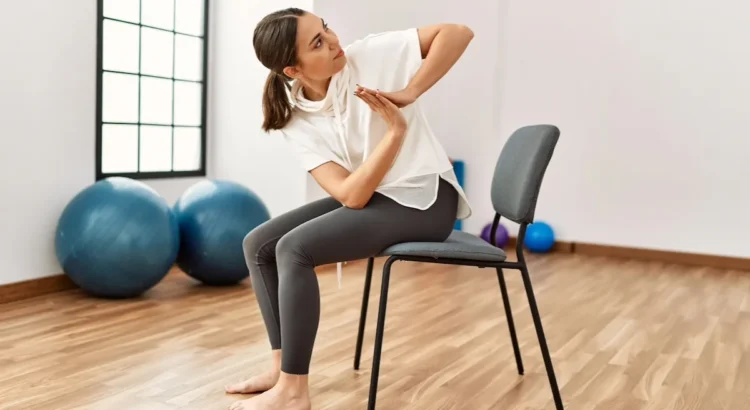
The average Singaporean office worker spends over eight hours a day sitting at a desk, often hunched over a screen. This sedentary lifestyle can lead to stiff shoulders, tight hips, sore lower backs, and even mental fatigue. Yet many people struggle to carve out time for a traditional yoga class amidst deadlines, meetings, and commutes. That’s where chair yoga offers an accessible and highly effective solution.
Unlike conventional mat-based yoga, chair yoga adapts classical poses to be performed while seated or with the support of a chair. It’s perfect for those who want the physical and mental benefits of yoga without needing a full studio setup—or even changing out of office attire.
Whether you’re working in a high-rise CBD office or from your HDB flat, this practice helps you stay mobile, reduce physical tension, and reconnect with your breath—all from your chair.
Why Chair Yoga is Ideal for Office Workers
1. Counteracts the Effects of Prolonged Sitting
Spending long hours in a seated position restricts blood flow, tightens the hip flexors, and weakens the back and abdominal muscles. Chair yoga helps to:
- Open up tight hips and chest areas
- Mobilise the spine to reduce back pain
- Engage the core to support posture
- Activate circulation through small but powerful movements
Even just 5–10 minutes of chair yoga during lunch or between meetings can dramatically improve energy levels and reduce fatigue.
2. No Need to Change Clothes or Leave Your Desk
One of the biggest barriers to regular exercise in Singapore’s corporate culture is the lack of time. Chair yoga eliminates the need to travel to a gym, change into workout gear, or book a slot at the studio.
Movements can be subtle enough to go unnoticed in shared offices, yet impactful enough to release tension in key muscle groups. You can practice during a quick tea break or before an important presentation to settle nerves.
3. Supports Mental Wellness and Focus
Mental stress is just as damaging as physical strain. Many Singaporeans juggle high-pressure roles with long hours and demanding schedules. Incorporating breathwork and mindfulness into chair yoga practice can:
- Reduce cortisol (stress hormone) levels
- Improve clarity and decision-making
- Calm the nervous system
- Enhance emotional resilience
Taking two minutes to focus on breathing and movement helps reset your mindset for the day ahead.
Simple Chair Yoga Moves for the Office
You don’t need special props or a large space. Just a sturdy, non-wheeled chair and a few clear minutes.
Seated Cat-Cow Stretch
Purpose: Mobilises the spine and opens the chest
How-to:
- Sit up tall, feet flat on the floor.
- On inhale, arch your spine slightly, lift your chest, and look up (Cow).
- On exhale, round your back, tuck your chin, and draw your belly in (Cat).
- Repeat slowly for 5–10 breaths.
Seated Spinal Twist
Purpose: Improves spinal mobility and digestion
How-to:
- Sit tall, both feet grounded.
- Inhale to lengthen the spine.
- On exhale, twist to the right, placing your left hand on your right thigh and your right hand on the back of the chair.
- Hold for 3–5 breaths and repeat on the other side.
Neck Rolls and Shoulder Rolls
Purpose: Eases tension in the upper back, shoulders, and neck
How-to:
- Drop your chin to your chest and slowly circle your neck clockwise, then counterclockwise.
- Shrug shoulders up to ears and roll them back in circular motions.
- Repeat 5–6 times.
Seated Forward Fold
Purpose: Releases the lower back and calms the nervous system
How-to:
- Sit on the edge of your chair with feet wider than hip-width.
- Inhale to sit tall. Exhale and slowly fold forward, letting your torso rest between your legs and your head hang.
- Stay for 5–10 breaths, then rise slowly.
The Role of Breathing in Chair Yoga
Often overlooked, breath awareness is essential in chair yoga. Deep, conscious breathing:
- Activates the parasympathetic nervous system (your body’s “rest and digest” mode)
- Enhances oxygen flow to the brain
- Helps maintain calm during high-pressure work situations
A simple technique like box breathing—inhaling for 4 counts, holding for 4, exhaling for 4, and holding again for 4—can be done while you sit at your desk.
How Chair Yoga Enhances Productivity
Incorporating regular chair yoga practice at work doesn’t just benefit your body—it makes you a more efficient and effective employee.
- Improved posture leads to fewer headaches and eye strain
- Better blood flow sharpens mental clarity and reduces mid-afternoon slumps
- Mindfulness encourages focused task management and reduces multitasking fatigue
- Greater physical comfort translates to better morale and job satisfaction
Several local HR teams now promote wellness sessions during lunch hours or after meetings, and chair yoga is often their go-to due to its versatility.
Tips for Practising Chair Yoga in a Singapore Office
- Choose the right chair: Avoid wheeled or soft chairs. A firm, non-slip base gives better support.
- Be mindful of your space: Respect shared office etiquette. Use headphones if following a guided video.
- Start with 5-minute sessions: Gradually increase time once you become comfortable with the poses.
- Encourage team participation: Chair yoga is more fun and consistent when done as a team activity.
- Log off and unwind: Use it as a transition between work and personal time, especially if working from home.
Building Chair Yoga Into Your Daily Work Routine
To make it stick, treat your chair yoga practice like any other meeting. Schedule time for it and protect that space. Consider these options:
- Before work: A 5-minute wake-up sequence before you open your laptop
- Midday recharge: Gentle shoulder and back stretches during your lunch hour
- End-of-day reset: Breathing and mindfulness to disconnect from work stress
If you’re unsure where to start, platforms like Yoga Edition offer guided chair yoga sessions suitable for various levels, including beginners.
FAQs
Q1: Can chair yoga help with posture correction for office workers?
Yes. Chair yoga strengthens your core muscles and stretches tight areas like the chest and hips that contribute to poor posture. With regular practice, many people notice reduced slouching and improved spinal alignment.
Q2: Is chair yoga suitable for people who don’t normally exercise?
Absolutely. Chair yoga is beginner-friendly and low-impact. It’s ideal for anyone who hasn’t exercised in a while or is recovering from an injury, provided they consult their healthcare provider first.
Q3: How often should I do chair yoga at work to see benefits?
Even practising for just 5–10 minutes a day can show noticeable improvements in mobility, focus, and energy. Aim for short daily sessions or two to three longer ones per week for the best results.
Q4: Do I need special equipment for chair yoga in the office?
No special equipment is needed. Just a stable chair without wheels. Optionally, you can keep a yoga strap or resistance band at your desk for additional support or variation.
Q5: Is chair yoga helpful for managing work-related anxiety or stress?
Yes. Chair yoga incorporates breathing and mindfulness techniques that activate your body’s relaxation response. Many Singaporeans find it a helpful way to reduce work anxiety without needing to leave their workspace.