

Anxiety is a significant health concern across Australia, affecting millions of people. For a long time, understanding what happens inside the brain during an anxiety episode has been complex. However, advances in technology are changing how we approach this common mental health challenge. Brain mapping offers a new way to visualise the brain’s activity, potentially transforming the future of anxiety therapy. This technique provides a detailed picture of brain function, helping practitioners understand the specific patterns associated with anxiety.
This detailed insight is a major step forward for personalising anxiety treatment. Traditional methods often rely on a trial-and-error process to find the right approach for an individual. Brain mapping, specifically through techniques like quantitative electroencephalography (qEEG), can identify irregular brainwave patterns linked to anxious feelings. This information allows for a more targeted strategy from the beginning. By understanding exactly which areas of the brain are overactive or underactive, therapists can develop more precise and effective support plans for their clients.
In Australia, where access to mental health services is a constant conversation, such innovations are particularly welcome. The ability to create a tailored therapy plan based on objective neurological data could improve outcomes for many. It moves the process away from a one-size-fits-all model towards a truly individualised approach. This shift promises not only better results but also potentially a more efficient therapeutic process, helping people find relief sooner.
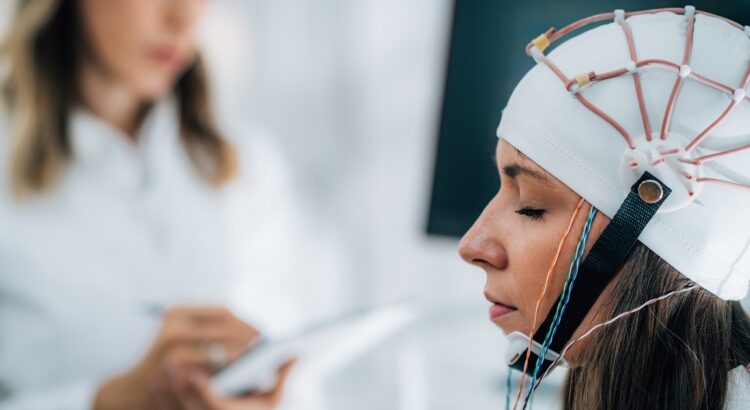
So, how does it work? A qEEG brain map is created by placing sensors on the scalp to measure electrical activity. This process is non-invasive and painless. The data collected is then compared to a database of brain patterns from people without anxiety symptoms. The comparison highlights the specific differences in an individual’s brain activity. For example, it might show excessive fast-wave activity in certain brain regions, which is often associated with a state of high alert and worry.
Armed with this information, a therapist can use neurofeedback, a type of biofeedback, to help a person learn to regulate their own brain activity. During a neurofeedback session, you receive real-time feedback on your brainwaves, often in the form of a video game or sound. When your brain produces more desirable, calmer patterns, you are rewarded. Over time, this process helps retrain the brain to maintain these healthier patterns on its own, reducing symptoms of anxiety in daily life.
The potential for this technology in Australia is considerable. As research continues and accessibility increases, brain mapping could become an important part of the mental health toolkit. It offers a scientific, data-driven method for understanding and addressing anxiety. For many Australians living with this condition, it represents a hopeful path towards more effective and lasting relief. The focus on personalising care based on individual brain function marks a significant and positive evolution in mental health support.