

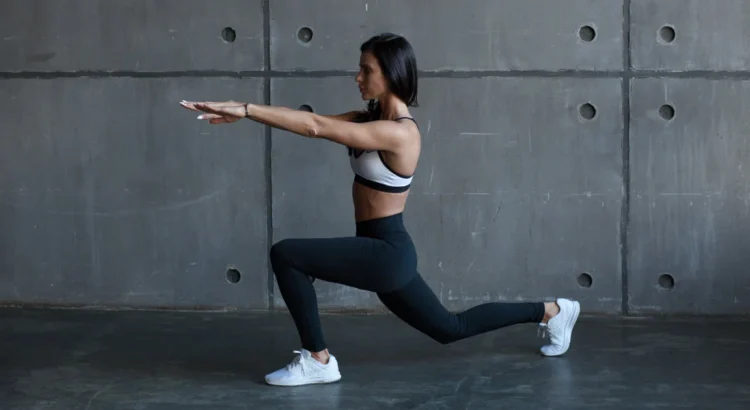
Modern lifestyles in Singapore demand workouts that are efficient, structured, and results driven. Long gym sessions are increasingly difficult to sustain with work commitments, family responsibilities, and daily commuting. This is why hiit classes singapore have become a preferred training choice for individuals who want measurable fitness improvements without spending hours in the gym.
High Intensity Interval Training delivers focused intensity in short bursts, followed by brief recovery periods. This training structure pushes the cardiovascular system, challenges muscular endurance, and triggers metabolic adaptations in a fraction of the time of traditional workouts. When designed properly, a 30 minute HIIT class can outperform longer steady state sessions in both conditioning and calorie expenditure.
Unlike unstructured circuit workouts, professionally programmed HIIT classes follow a precise balance of intensity, rest, and movement selection. This ensures that every minute contributes to performance, fat loss, and long term progression rather than random fatigue.
The Science Behind Short Duration High Intensity Training
HIIT works by pushing the body close to its maximum capacity during short work intervals. This creates a demand for oxygen that the body cannot immediately meet, forcing adaptations that improve cardiovascular efficiency.
Key physiological benefits include:
-
Increased oxygen uptake capacity, often measured as VO2max
-
Improved insulin sensitivity and glucose utilisation
-
Higher post exercise calorie burn due to elevated metabolic rate
-
Enhanced muscular endurance under fatigue
In a well structured HIIT class, intensity is not accidental. Work intervals are designed to elevate heart rate into high zones quickly, while recovery periods are just long enough to allow partial recovery without full rest. This keeps the body under controlled stress, which is essential for adaptation.
Over time, participants notice improved stamina, faster recovery between efforts, and better performance in daily activities such as climbing stairs or carrying heavy loads.
Why 30 Minute HIIT Fits Singapore Lifestyles Better
One of the biggest barriers to consistent exercise is time. Short workouts remove this barrier while maintaining effectiveness.
A 30 minute HIIT class works well in Singapore because:
-
It fits easily before work, during lunch hours, or after office hours
-
It reduces mental resistance to training on busy days
-
It allows higher weekly training frequency without excessive fatigue
-
It encourages long term adherence rather than short bursts of motivation
Consistency matters more than occasional long workouts. Short, intense sessions allow people to train three to four times a week without sacrificing recovery or personal time.
Strength Focused HIIT and Lean Muscle Development
Not all HIIT is cardio based. Strength focused HIIT classes incorporate resistance tools such as barbells, weight plates, and bodyweight loading to build muscular endurance while maintaining high heart rate levels.
This combination offers several advantages:
-
Lean muscle retention during fat loss phases
-
Increased calorie burn during and after training
-
Improved functional strength for daily movement
-
Better posture and joint stability over time
Because movements are repeated under fatigue, technique coaching becomes essential. Structured HIIT classes emphasise controlled form even during high intensity intervals, reducing injury risk while maximising results.
Participants often report feeling stronger without significant muscle bulk, making this training style suitable for both men and women seeking a balanced physique.
Cardiovascular Conditioning Without Long Cardio Sessions
Traditional cardio methods often rely on long durations at moderate intensity. While effective, they require significant time investment and may not suit everyone.
HIIT offers an alternative by compressing cardiovascular stress into shorter sessions. Heart rate rises rapidly during work intervals and remains elevated throughout the class, improving both aerobic and anaerobic capacity.
Benefits include:
-
Faster improvements in cardiovascular fitness
-
Improved recovery between high effort activities
-
Better tolerance to physical stress
-
Reduced boredom compared to repetitive cardio machines
This makes HIIT particularly appealing for individuals who dislike long treadmill sessions but still want strong heart health outcomes.
Recovery, Heat, and Training Smart in Singapore
Singapore’s warm and humid climate affects training demands and recovery needs. HIIT places additional stress on hydration levels, electrolyte balance, and sleep quality.
To recover effectively, participants should focus on:
-
Adequate fluid intake before and after classes
-
Including sodium and minerals lost through sweat
-
Prioritising sleep on training days
-
Allowing at least one rest or low intensity day between HIIT sessions
Overtraining is more common when intensity is high and recovery is neglected. Listening to fatigue signals such as persistent soreness, elevated resting heart rate, or poor sleep quality helps prevent burnout.
The Role of Coaching and Structured Programming
One major difference between generic workouts and professionally designed HIIT classes is coaching quality. Clear cues, timing control, and movement corrections ensure safety and effectiveness.
A structured HIIT class provides:
-
Consistent interval timing that maximises intensity
-
Progressive programming that avoids stagnation
-
Modifications for different fitness levels
-
Accountability through group energy
Training in a coached environment also reduces the risk of pushing too hard too often, which is a common issue with self programmed HIIT routines.
Those looking for a professionally guided experience can explore sessions offered by True Fitness Singapore, where structured programming and coaching play a key role in delivering consistent outcomes.
Building Long Term Results With HIIT
HIIT delivers results quickly, but sustainability depends on smart integration into a broader fitness routine.
Best practices include:
-
Limiting HIIT to two or three sessions per week
-
Combining HIIT with strength training or mobility work
-
Adjusting intensity during high stress periods
-
Tracking progress through performance markers rather than scale weight alone
When used correctly, HIIT becomes a long term training tool rather than a short term fat loss solution.
Real Life FAQs About HIIT Classes in Singapore
How many HIIT classes should I attend per week?
Most people benefit from two to three HIIT sessions weekly. This allows sufficient intensity while leaving room for recovery and other forms of exercise.
Can beginners join HIIT classes safely?
Yes, provided the class offers modifications and clear coaching cues. Beginners should focus on controlled movement rather than maximum speed during early sessions.
Will HIIT help with weight loss even if I train only 30 minutes?
Yes. HIIT increases calorie burn during and after training. Combined with consistent attendance and balanced nutrition, it supports effective fat loss.
Is HIIT suitable for people with joint concerns?
Many HIIT movements can be modified to reduce impact. Participants should communicate with instructors and choose lower impact options when needed.
Should I eat before a HIIT class?
A light meal with carbohydrates and some protein one to two hours before training helps maintain energy levels. Training on an empty stomach may reduce performance.
Why do I feel more tired after HIIT compared to longer workouts?
HIIT places greater stress on the nervous system and muscles due to intensity. Proper hydration, nutrition, and sleep help manage this fatigue.
Can HIIT replace all other forms of exercise?
HIIT is effective but works best as part of a balanced routine that includes strength training, mobility work, and rest days.


